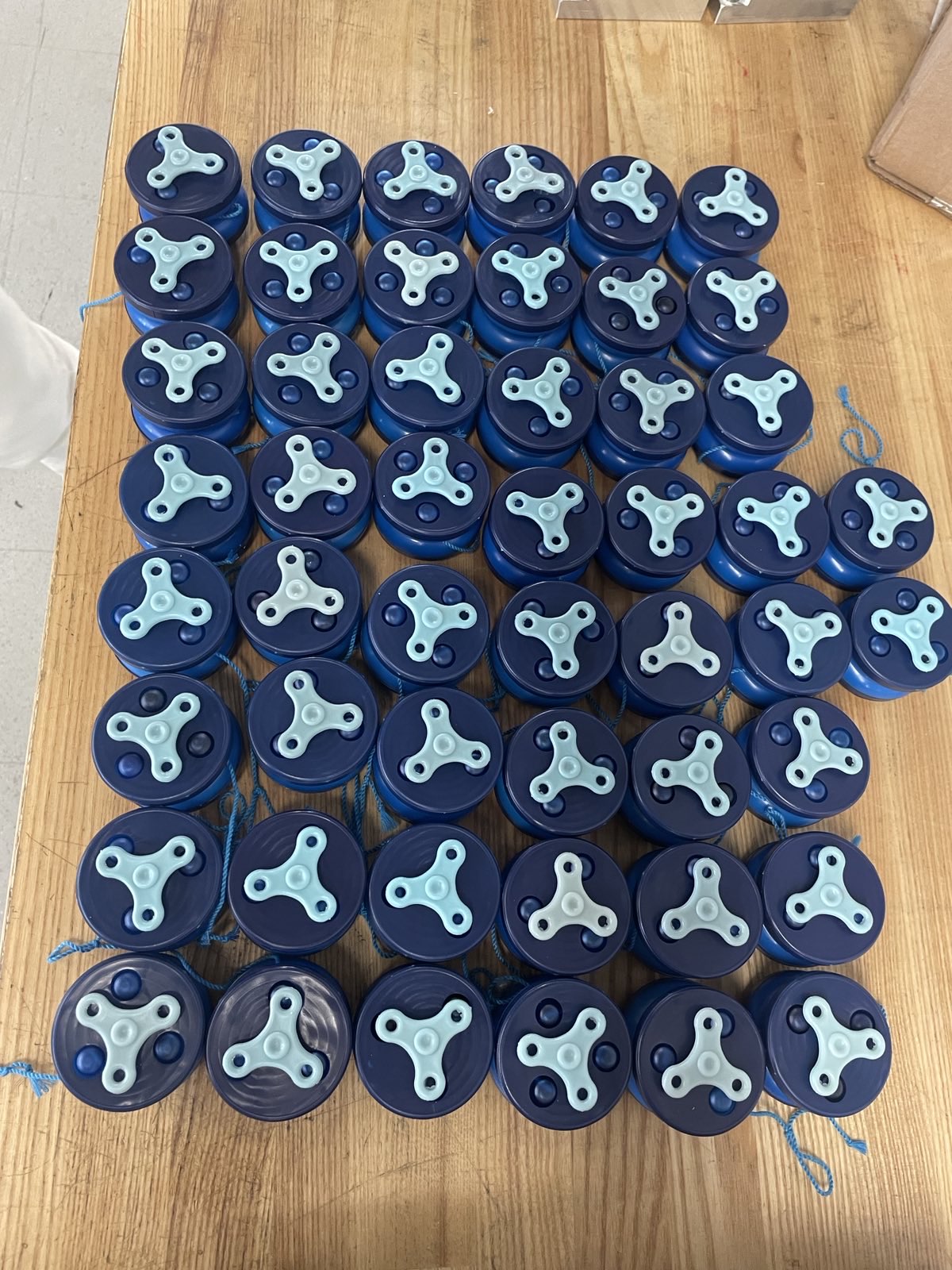
<?xml version="1.0" encoding="utf-8"?><feed xmlns="http://www.w3.org/2005/Atom" ><generator uri="https://jekyllrb.com/" version="3.10.0">Jekyll</generator><link href="https://jonathan-anziani.github.io/feed.xml" rel="self" type="application/atom+xml" /><link href="https://jonathan-anziani.github.io/" rel="alternate" type="text/html" /><updated>2025-12-01T01:43:12+00:00</updated><id>https://jonathan-anziani.github.io/feed.xml</id><title type="html">Jonathan Anziani’s Portfolio</title><subtitle>Jonathan Anziani&apos;s mechanical engineering design and fire spinning performance portfolio</subtitle><author><name>Jonathan Anziani</name></author><entry><title type="html">Bulk Manufactured Yo-Yos</title><link href="https://jonathan-anziani.github.io/uncategorized/bulk-manufactured-yoyos/" rel="alternate" type="text/html" title="Bulk Manufactured Yo-Yos" /><published>2025-07-03T00:00:00+00:00</published><updated>2025-07-03T00:00:00+00:00</updated><id>https://jonathan-anziani.github.io/uncategorized/bulk-manufactured-yoyos</id><content type="html" xml:base="https://jonathan-anziani.github.io/uncategorized/bulk-manufactured-yoyos/"><![CDATA[<p>50 yo-yos designed and manufactured for Manufacturing and Design II. Each half of the yo-yo consists of an injection molded ring and base press fit together, with a bearing and fidget spinner attathed to the ring. I designed the fidget spinner and with that I had to design the press-fit diameters between the ring, bearing, and fidget spinner.</p>

<figure class="half full">
  
    
      <a href="/assets/images/yoyo.jpg">
          <img src="/assets/images/yoyo.JPG" alt="single yoyos" />
      </a>


      <a href="/assets/images/50%20yoyos.jpg">
          <img src="/assets/images/50%20yoyos.jpg" alt="50 yoyos" />
      </a>


</figure>

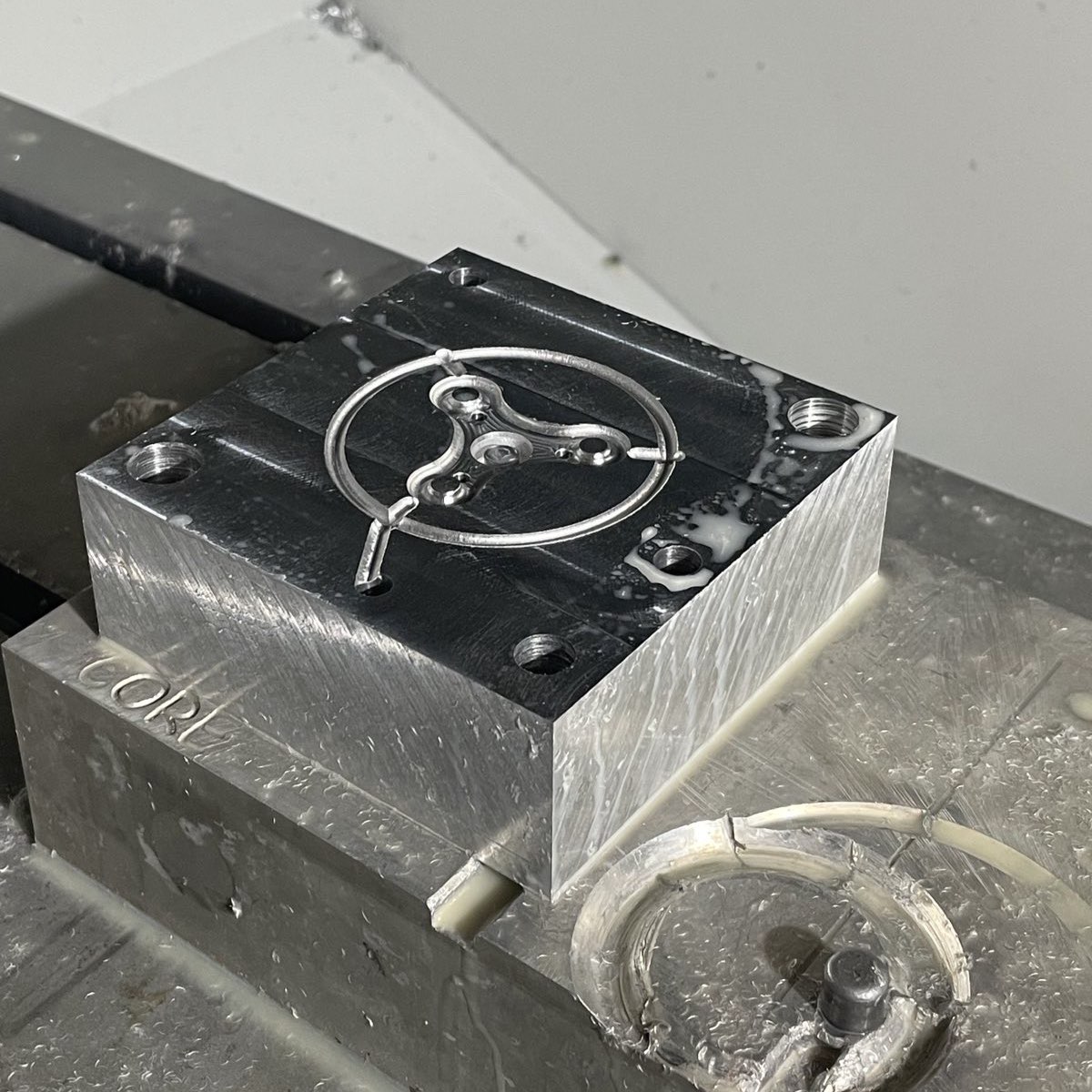
<p>I was responsible for the CAD, CAM, and CNC milling of some of the molds, which were designed to take into account shrinkage of the injected plastic.</p>

<figure class=" full">
  
    
      <a href="/assets/images/mold.jpg">
          <img src="/assets/images/mold.jpg" alt="Mold" />
      </a>


</figure>

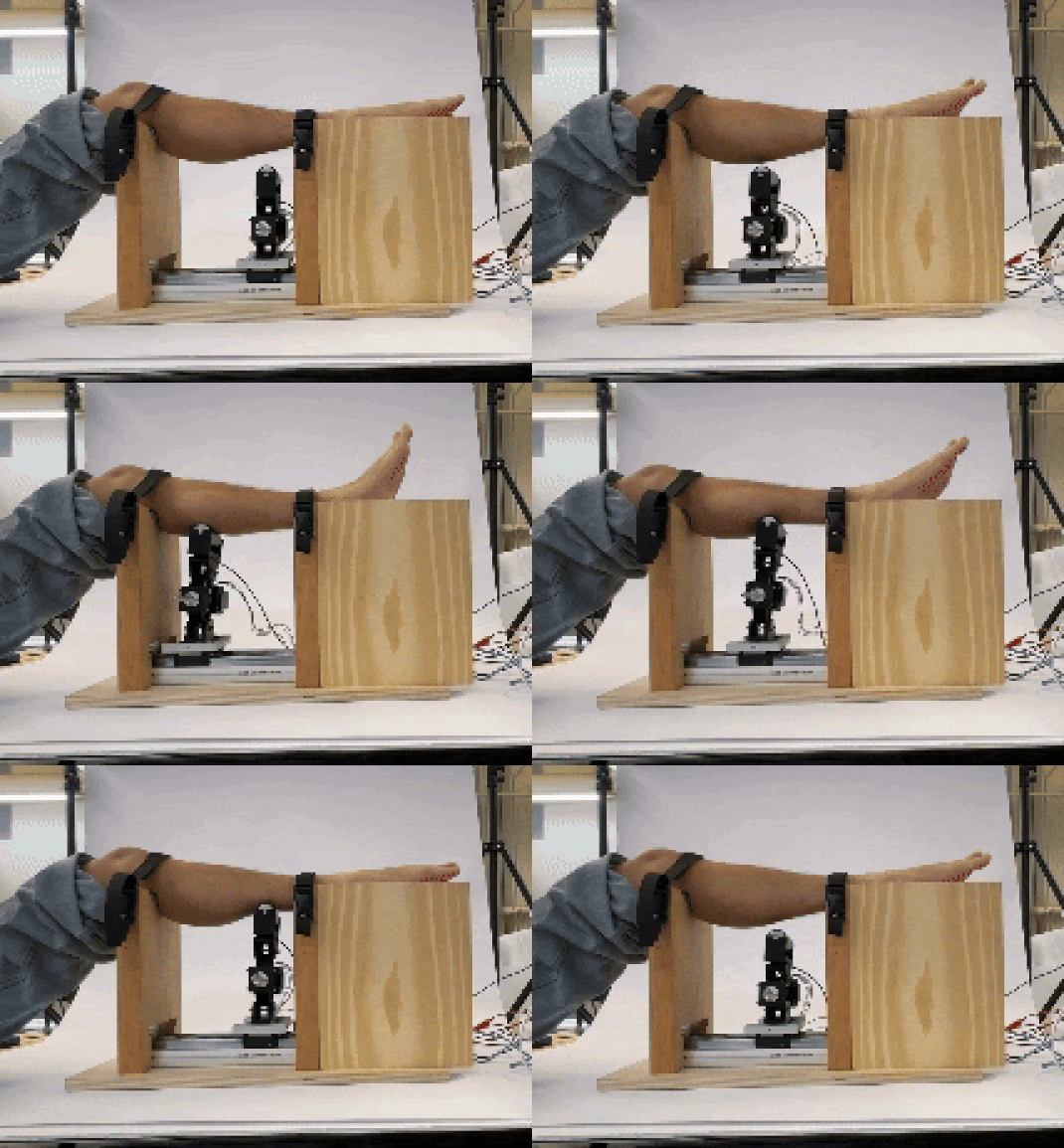
<p>None of the press fits failed after a 4 foot drop test of all 50 yoyos as a result of our design tolerances.</p>]]></content><author><name>Jonathan Anziani</name></author><category term="Uncategorized" /><summary type="html"><![CDATA[50 yo-yos designed and manufactured for Manufacturing and Design II. Each half of the yo-yo consists of an injection molded ring and base press fit together, with a bearing and fidget spinner attathed to the ring. I designed the fidget spinner and with that I had to design the press-fit diameters between the ring, bearing, and fidget spinner.]]></summary></entry><entry><title type="html">Force-Controlled Massage Therapy</title><link href="https://jonathan-anziani.github.io/uncategorized/force-controlled-massage-therapy/" rel="alternate" type="text/html" title="Force-Controlled Massage Therapy" /><published>2025-07-03T00:00:00+00:00</published><updated>2025-07-03T00:00:00+00:00</updated><id>https://jonathan-anziani.github.io/uncategorized/force-controlled-massage-therapy</id><content type="html" xml:base="https://jonathan-anziani.github.io/uncategorized/force-controlled-massage-therapy/"><![CDATA[<p>For MIT’s Medical Device Design class, I worked in a team of seven to design a force-controlled automated massaging device that measures muscle stiffness in real-time.</p>

<figure class=" full">
  
    
      <a href="/assets/images/massage%20moving.gif">
          <img src="/assets/images/massage%20moving.gif" alt="device moving gif" />
      </a>


</figure>

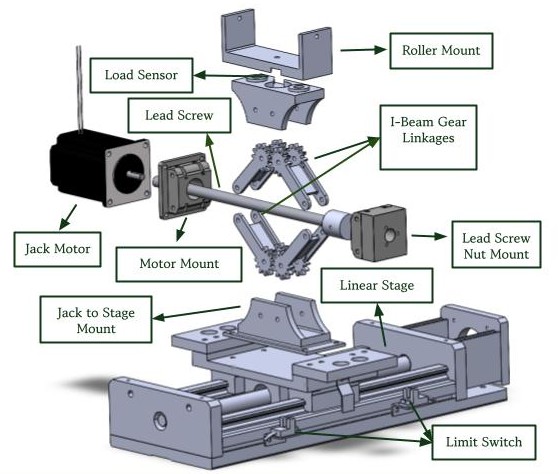
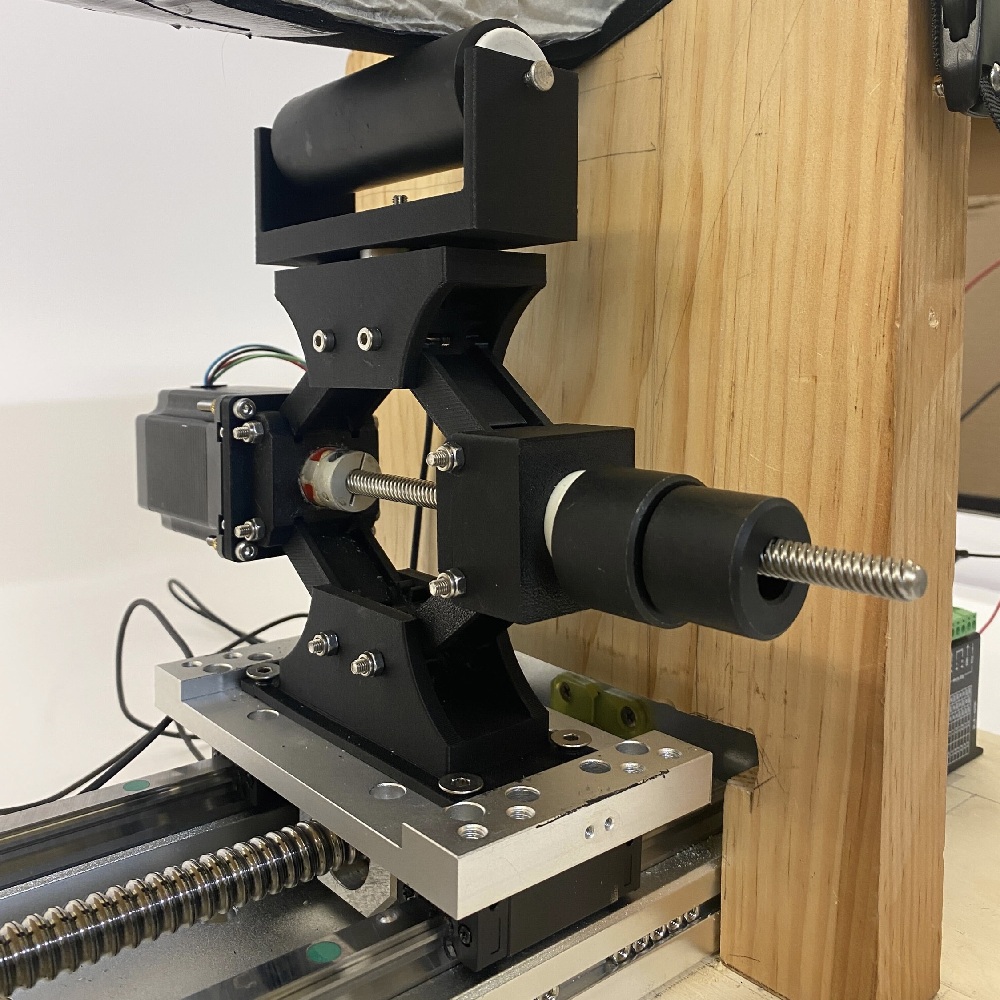
<p>The device consists of three key components: a scissor lift-inspired mechanism that applies force onto the limb, a load cell that measures the force applied, and a linear stage that moves the stage along the limb. By measuring the force on the limb and knowing the distance pressed into the muscle, real-time muscle stiffness can be measured. Future iterations of this project will implement closed-loop stiffness feedback control, replicating how a clinician can feel muscle stiffness during a massage.</p>

<figure class="half full">
  
    
      <a href="/assets/images/Massage_Exploded_View.jpg">
          <img src="/assets/images/Massage_Exploded_View.jpg" alt="exploded" />
      </a>


      <a href="/assets/images/Massage.jpg">
          <img src="/assets/images/Massage.jpg" alt="close" />
      </a>


</figure>

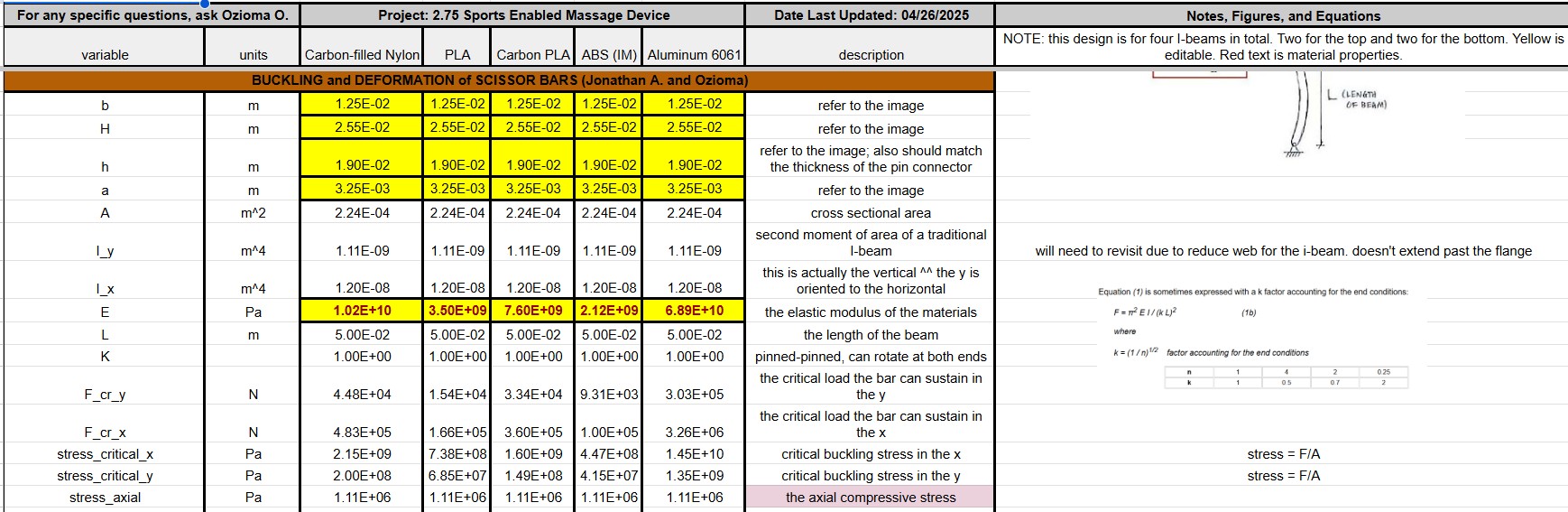
<p>I was primarily responsible for the load analysis of the 3D-printed structure and the power transmission design. For the load analysis, I modeled the yeilding and buckling failure criterion using a spreadsheet to easily tabulate and communicate the calculations to teammates and project mentors. For the power transmission, I calculated the stepper motor torque and speed requirements needed to replicate the motion and force measured from a massage clinician. With these specifications, I chose sufficient stepper motors for the linear stage and scissor lift and desgned a mounting part to integrate the motors into the rest of the system while preventing a structural collapse when reaching holding torque. A sample of these calculations are shown below.</p>

<figure class=" full">
  
    
      <a href="/assets/images/Sample%20Spreadsheet.jpg">
          <img src="/assets/images/Sample%20Spreadsheet.jpg" alt="spreadsheet" />
      </a>


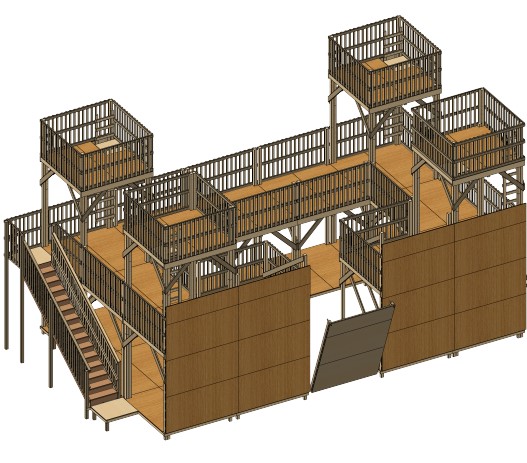
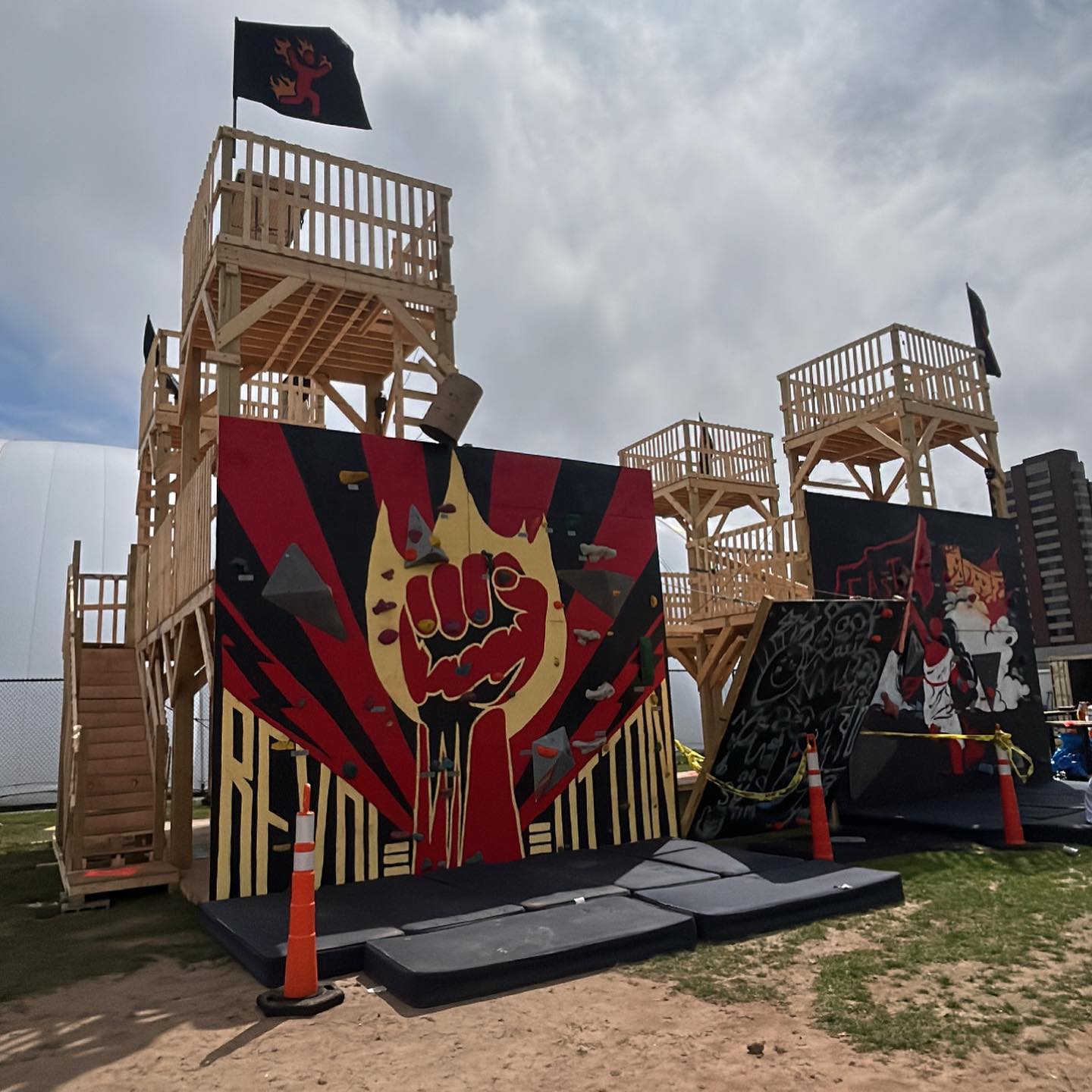
</figure>]]></content><author><name>Jonathan Anziani</name></author><category term="Uncategorized" /><summary type="html"><![CDATA[For MIT’s Medical Device Design class, I worked in a team of seven to design a force-controlled automated massaging device that measures muscle stiffness in real-time.]]></summary></entry><entry><title type="html">Three-Story Tall Castle</title><link href="https://jonathan-anziani.github.io/uncategorized/three-story-tall-castle/" rel="alternate" type="text/html" title="Three-Story Tall Castle" /><published>2025-07-03T00:00:00+00:00</published><updated>2025-07-03T00:00:00+00:00</updated><id>https://jonathan-anziani.github.io/uncategorized/three-story-tall-castle</id><content type="html" xml:base="https://jonathan-anziani.github.io/uncategorized/three-story-tall-castle/"><![CDATA[<p>I was apart of a small team of project leads overseeing the design, construction, and disassembly of a three-story tall wooden castle for MIT’s freshman orientation. The structure is 44’x24’x24’ in size with three-story tall towers, two-person fixed angle rock climbing walls, and one-person angle adjustable climbing wall.</p>

<figure class="half full">
  
    
      <a href="/assets/images/Build%20CAD.jpg">
          <img src="/assets/images/Build%20CAD.jpg" alt="Castle CAD" />
      </a>


      <a href="/assets/images/Castle.jpg">
          <img src="/assets/images/Castle.jpg" alt="Castle built" />
      </a>


</figure>

<p>During the design phase, I used beam bending calculations, Finite Element Analysis, and existing structural engineering code to ensure the structure can handle loads from people standing, loads from people climbing, and loads from wind. Wind loads were caluated by researching referencing <a href="https://www.mass.gov/doc/780016pt4pdf/download">Massachusettes regulations</a>, and all calculations were validated by MIT Environmental Health and Safety as well as a contracted structural engineer before construction.</p>

<p>During construction, I would train and direct over 100 students (primarily incoming students with no prior experience) on the measuring, cutting, and assembly of wood using power tools.</p>]]></content><author><name>Jonathan Anziani</name></author><category term="Uncategorized" /><summary type="html"><![CDATA[I was apart of a small team of project leads overseeing the design, construction, and disassembly of a three-story tall wooden castle for MIT’s freshman orientation. The structure is 44’x24’x24’ in size with three-story tall towers, two-person fixed angle rock climbing walls, and one-person angle adjustable climbing wall.]]></summary></entry><entry><title type="html">3D-Printed Rocket Toy</title><link href="https://jonathan-anziani.github.io/uncategorized/3d-printed-rocket-toy/" rel="alternate" type="text/html" title="3D-Printed Rocket Toy" /><published>2025-06-29T00:00:00+00:00</published><updated>2025-06-29T00:00:00+00:00</updated><id>https://jonathan-anziani.github.io/uncategorized/3d-printed-rocket-toy</id><content type="html" xml:base="https://jonathan-anziani.github.io/uncategorized/3d-printed-rocket-toy/"><![CDATA[<p>This toy was my first experience with CAD and 3D printing as an assignment for MIT’s Toy Product Design class. It consists of four buttons, a rechargable battery, and speakers powered by an Arduino Uno where the user has to press the buttons in order of them lighting up.</p>

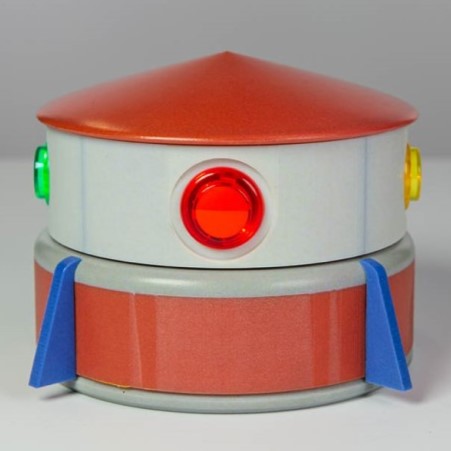
<figure class=" full">
  
    
      <a href="/assets/images/rocket_moving.gif">
          <img src="/assets/images/rocket_moving.gif" alt="rocket moving gif" />
      </a>


</figure>

<figure class=" full">
  
    
      <a href="/assets/images/Rocket.jpg">
          <img src="/assets/images/Rocket.jpg" alt="rocket" />
      </a>


</figure>]]></content><author><name>Jonathan Anziani</name></author><category term="Uncategorized" /><summary type="html"><![CDATA[This toy was my first experience with CAD and 3D printing as an assignment for MIT’s Toy Product Design class. It consists of four buttons, a rechargable battery, and speakers powered by an Arduino Uno where the user has to press the buttons in order of them lighting up.]]></summary></entry><entry><title type="html">G-Code Based Toolpath Simulation for Predicting CNC Energy Consumption</title><link href="https://jonathan-anziani.github.io/uncategorized/modeling-cnc-energy-consumption/" rel="alternate" type="text/html" title="G-Code Based Toolpath Simulation for Predicting CNC Energy Consumption" /><published>2025-06-29T00:00:00+00:00</published><updated>2025-06-29T00:00:00+00:00</updated><id>https://jonathan-anziani.github.io/uncategorized/modeling-cnc-energy-consumption</id><content type="html" xml:base="https://jonathan-anziani.github.io/uncategorized/modeling-cnc-energy-consumption/"><![CDATA[<p>For my undergraduate thesis, I developed a G-code based program in MATLAB that simulates the material removal process and predicts the energy and power consumption required to CNC machine a part. The simulation was validated by comparing the simulated energy to that of a part in both aluminum and titanium, showing an energy prediction error of 2.11% and 3.48% respectively.</p>

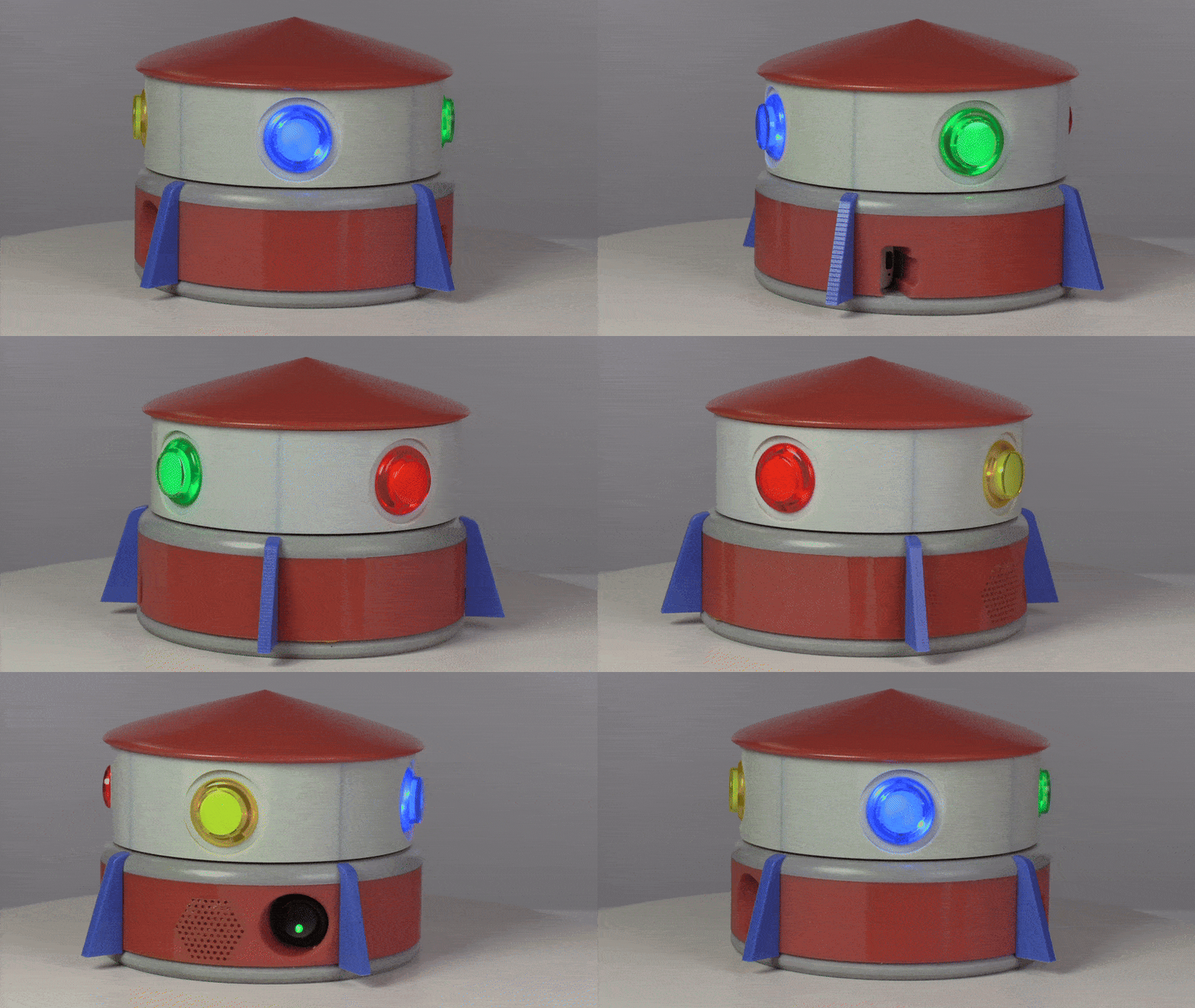
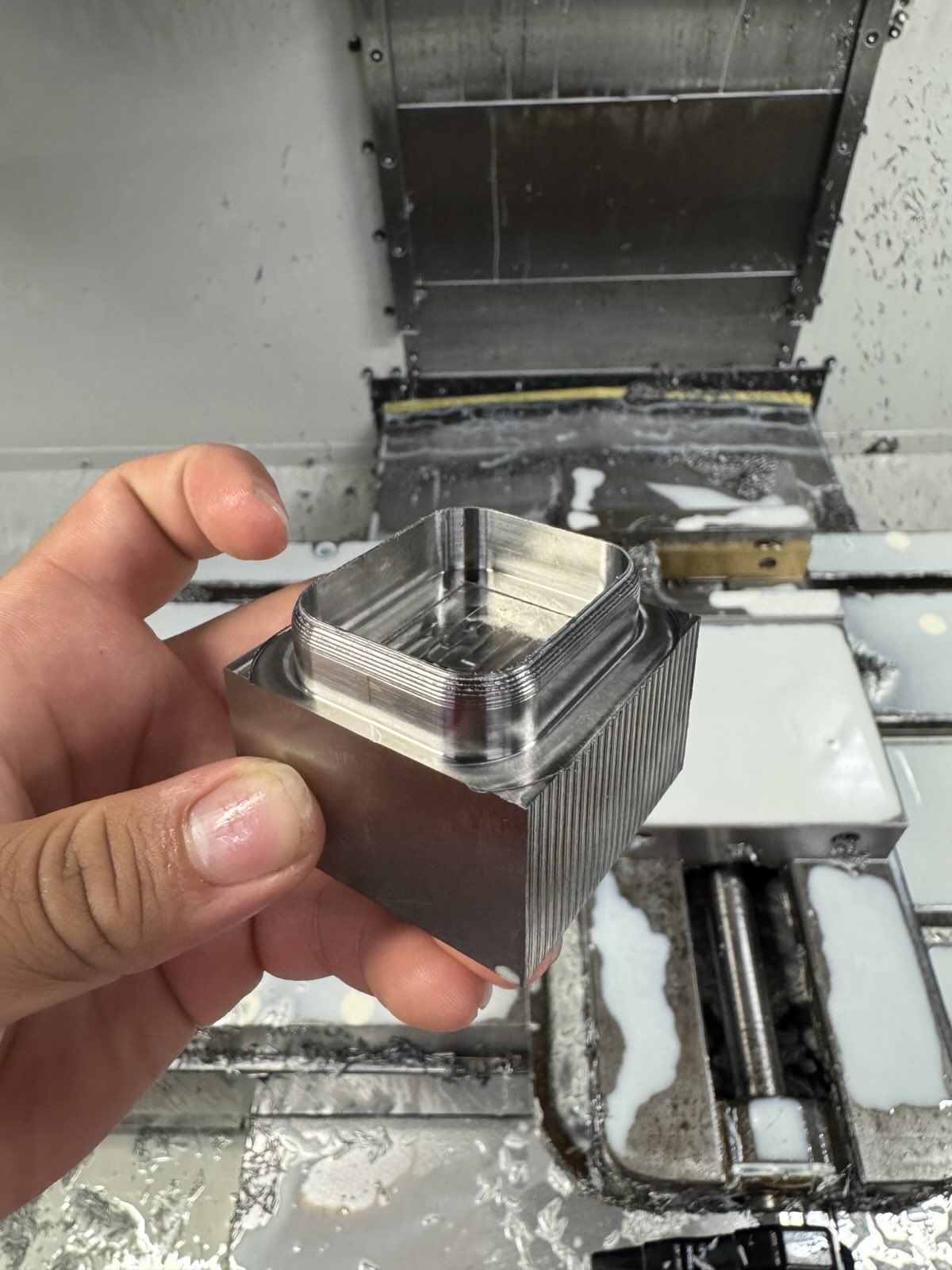
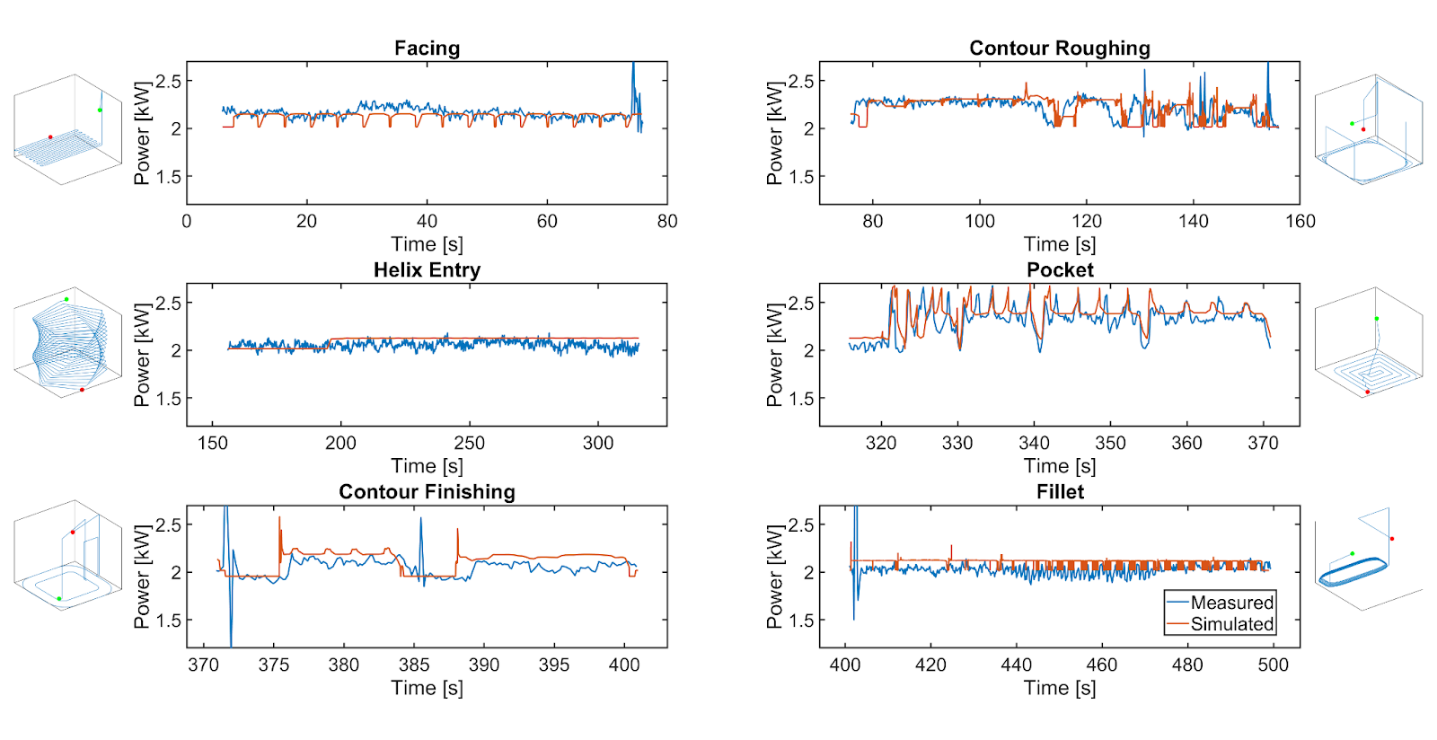
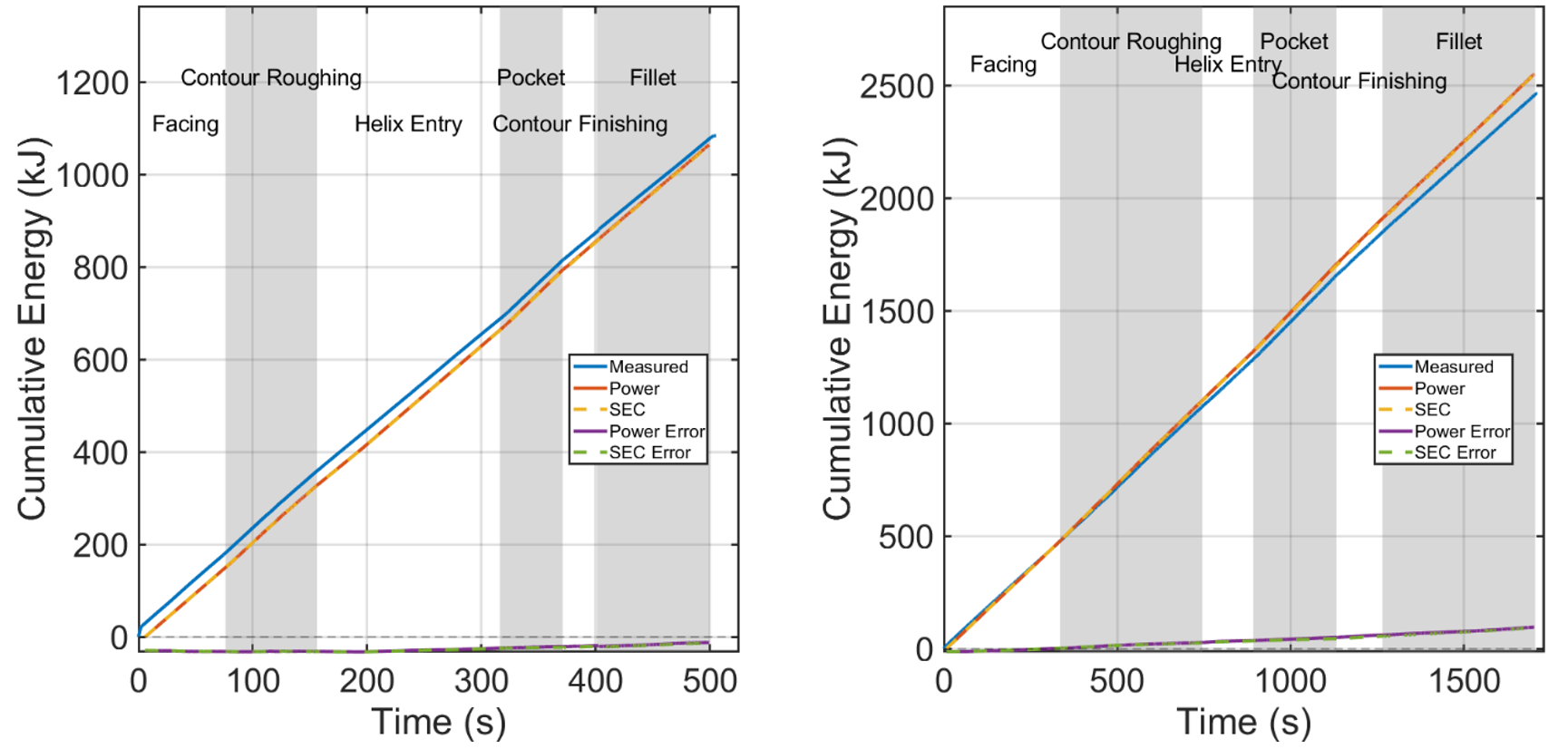
<figure class=" full">
  
    
      <a href="/assets/images/IMG_8644.jpg">
          <img src="/assets/images/IMG_8644.jpg" alt="Machined components in titanium" />
      </a>


    <figcaption>Machined validation part in titanium
</figcaption>
  
</figure>

<figure class=" full">
  
    
      <a href="/assets/images/al%20all.png">
          <img src="/assets/images/al%20all.png" alt="Aluminum Power Breakdown graphs" />
      </a>


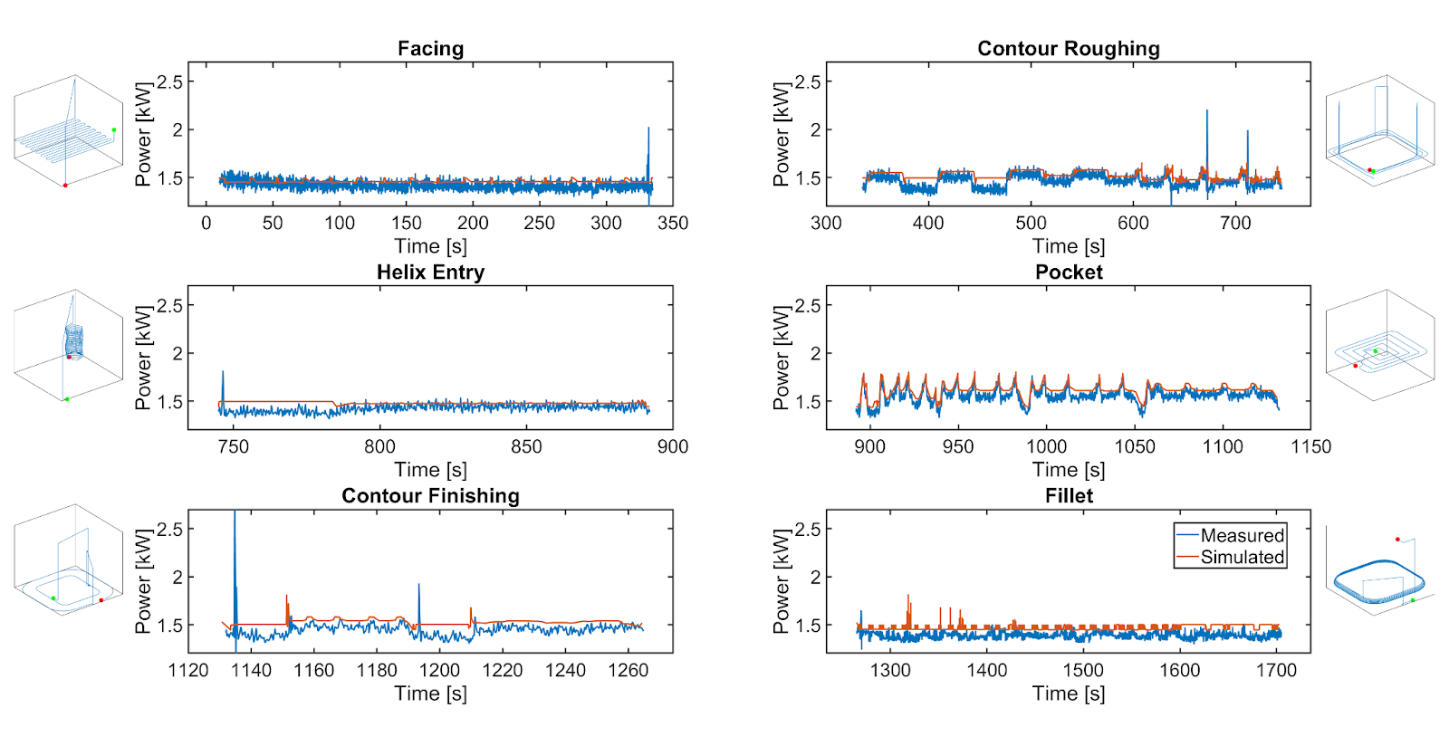
    <figcaption>Empirical and predicted power vs time for machining the validation part in aluminum separated by different operations in the toolpath
</figcaption>
  
</figure>

<figure class=" full">
  
    
      <a href="/assets/images/ti%20all.png">
          <img src="/assets/images/ti%20all.png" alt="Titanium Power Breakdown graphs" />
      </a>


    <figcaption>Empirical and predicted power vs time for machining the validation part in titanium separated by different operations in the toolpath
</figcaption>
  
</figure>

<figure class=" full">
  
    
      <a href="/assets/images/cumulative%20energy.png">
          <img src="/assets/images/cumulative%20energy.png" alt="Energy vs time graphs" />
      </a>


    <figcaption>Empirical and predicted energy vs time for aluminum (left) and titanium (right)
</figcaption>
  
</figure>

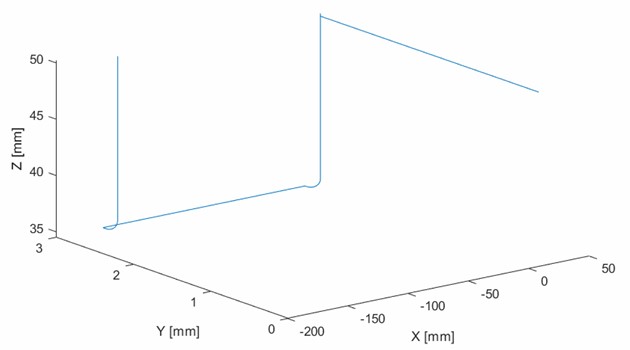
<p>This program functions by first reconstructing the toolpath from the G-code.</p>

<figure class=" full">
  
    
      <a href="/assets/images/toolpath%20generated.jpg">
          <img src="/assets/images/toolpath%20generated.jpg" alt="toolpath generated" />
      </a>


</figure>

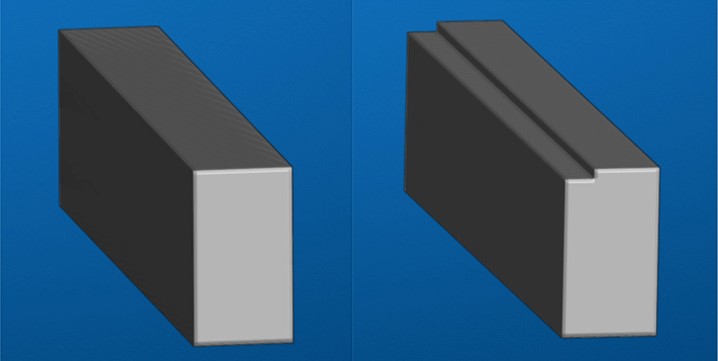
<p>The simulation then runs a virtual endmill along the toolpath in a voxel mesh of the workpiece, replicating material removal.</p>

<figure class=" full">
  
    
      <a href="/assets/images/before%20and%20after%20simulation.jpg">
          <img src="/assets/images/before%20and%20after%20simulation.jpg" alt="before and after mesh" />
      </a>


</figure>

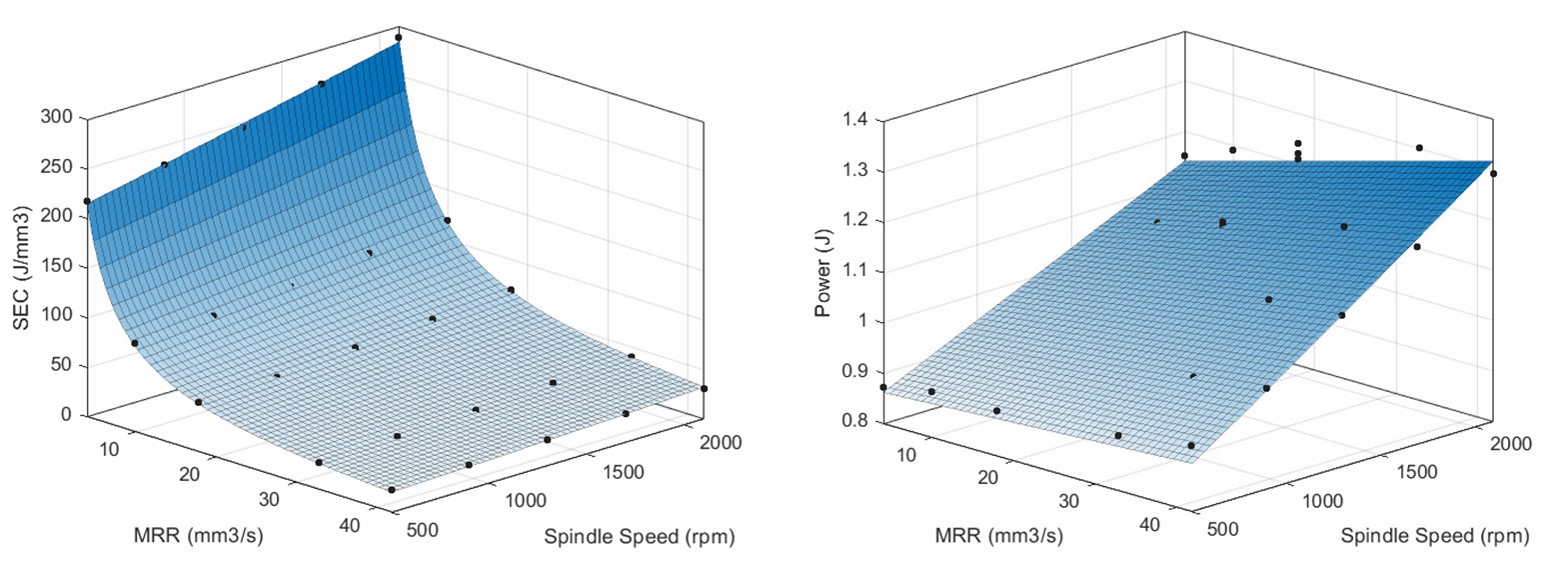
<p>The model predicts the power and specific energy consumption for a timestep by relating it to the simulated material removal rate and spindle speed using existing analytical models and machine-dependant power data. An example relation is shown below.</p>

<figure class=" full">
  
    
      <a href="/assets/images/Power%20and%20specific%20energy%20relation.jpg">
          <img src="/assets/images/Power%20and%20specific%20energy%20relation.jpg" alt="power and sec relation" />
      </a>


</figure>

<p>The full thesis with comparisons and sensitivity analyses can be found <a href="/assets/files/anziani-anzianij-bs-meche-2025-thesis.pdf">here.</a></p>]]></content><author><name>Jonathan Anziani</name></author><category term="Uncategorized" /><summary type="html"><![CDATA[For my undergraduate thesis, I developed a G-code based program in MATLAB that simulates the material removal process and predicts the energy and power consumption required to CNC machine a part. The simulation was validated by comparing the simulated energy to that of a part in both aluminum and titanium, showing an energy prediction error of 2.11% and 3.48% respectively.]]></summary></entry><entry><title type="html">Underwater Vision Augmentation (MARLIN)</title><link href="https://jonathan-anziani.github.io/uncategorized/underwater-vision-augmentation/" rel="alternate" type="text/html" title="Underwater Vision Augmentation (MARLIN)" /><published>2025-06-29T00:00:00+00:00</published><updated>2018-03-20T20:00:52+00:00</updated><id>https://jonathan-anziani.github.io/uncategorized/underwater-vision-augmentation</id><content type="html" xml:base="https://jonathan-anziani.github.io/uncategorized/underwater-vision-augmentation/"><![CDATA[<p>This underwater vision assistance device was designed in a team of twelve to allow commercial divers see underwater in low-light, high-particulate situations.</p>

<figure class="half full">
  
    
      <a href="/assets/images/Marlin%20before.jpg">
          <img src="/assets/images/Marlin%20before.jpg" alt="before" />
      </a>


      <a href="/assets/images/marlin%20after.jpg">
          <img src="/assets/images/marlin%20after.jpg" alt="after" />
      </a>


</figure>

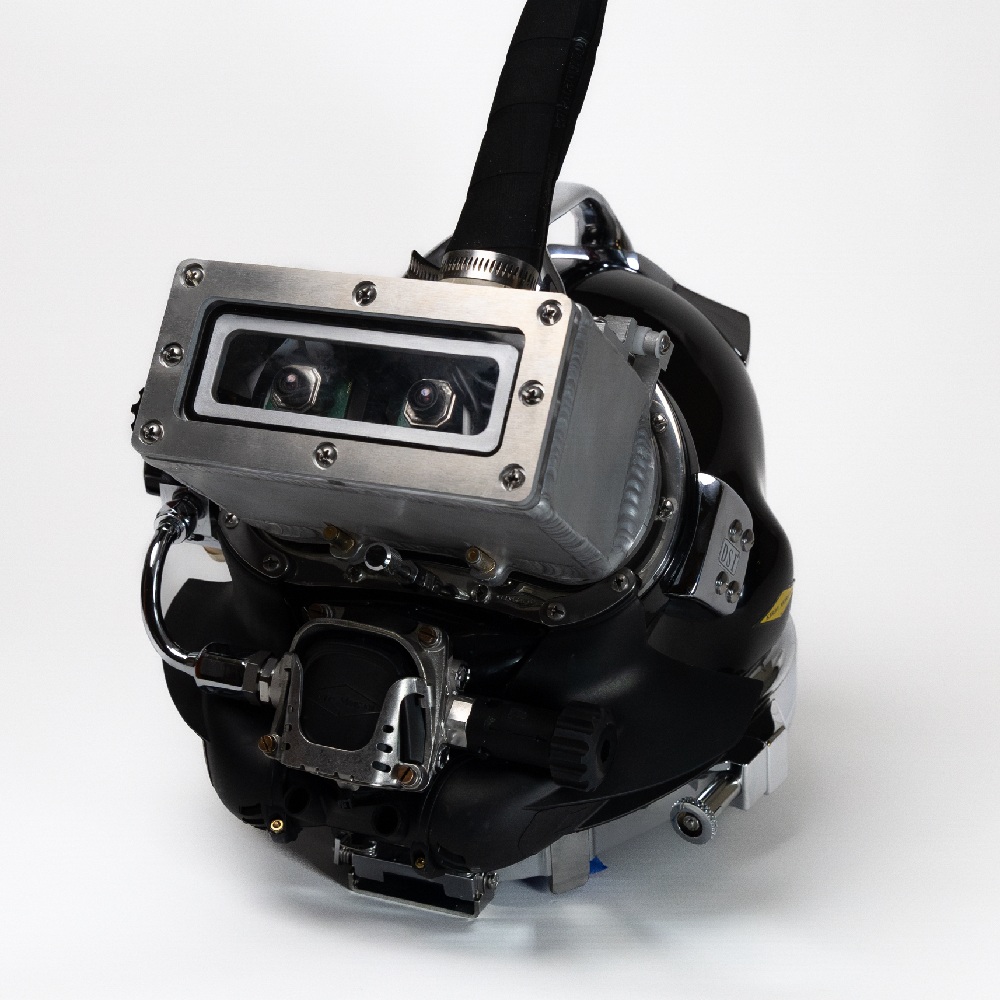
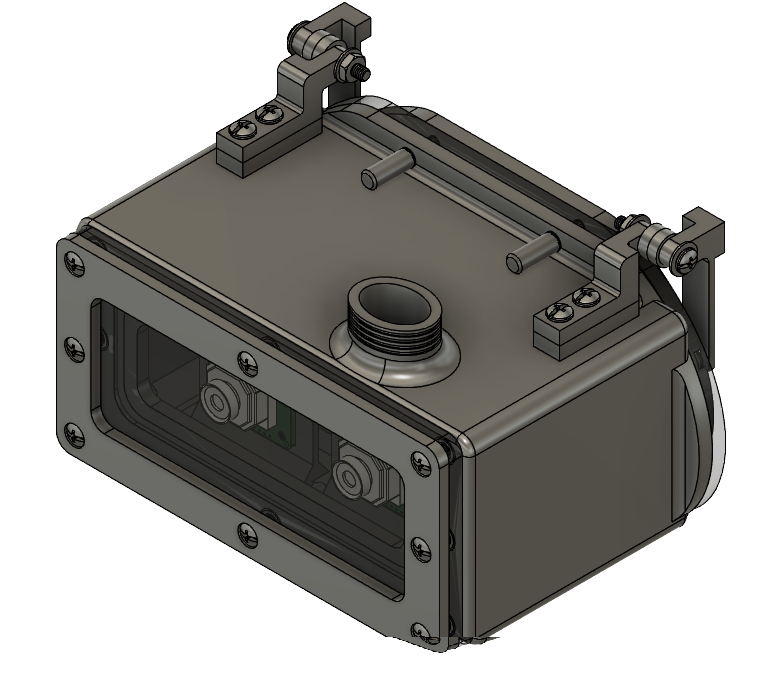
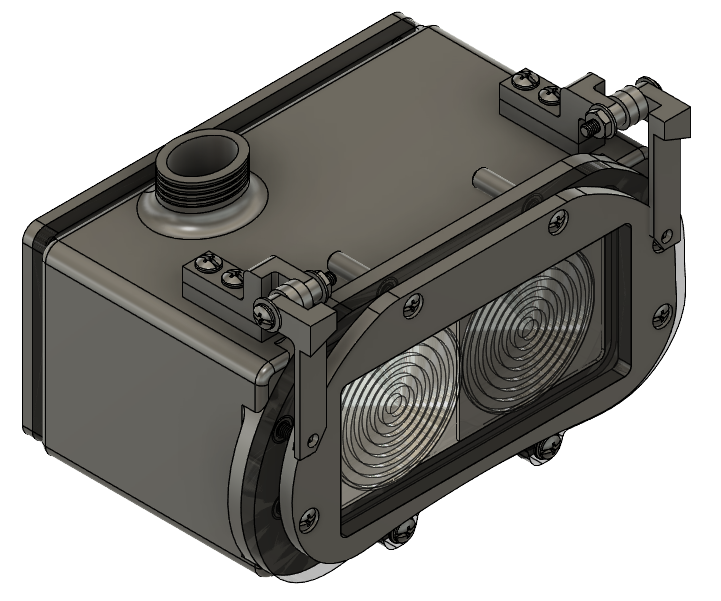
<p>Two cameras, a screen, and a pair of lenses are housed in a waterproof aluminum case designed to mount onto the industry standard Kirby-Morgan diving helmet.</p>

<figure class="third full">
  
    
      <a href="/assets/images/Marlin.jpg">
          <img src="/assets/images/Marlin.jpg" alt="moneyshot" />
      </a>


      <a href="/assets/images/Marlin%20CAD.png">
          <img src="/assets/images/Marlin%20CAD.png" alt="CAD" />
      </a>


      <a href="/assets/images/Marlin%20CAD%20back.png">
          <img src="/assets/images/Marlin%20CAD%20back.png" alt="CAD back" />
      </a>


</figure>

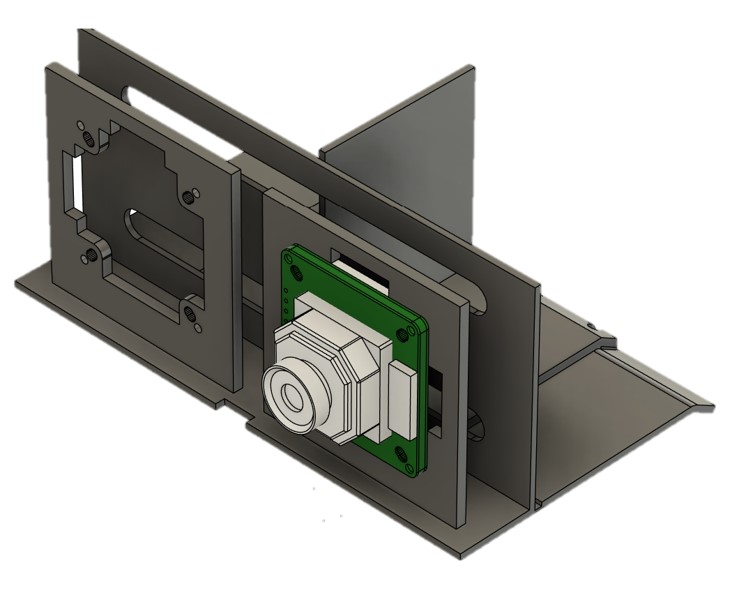
<p>I mostly focused on the mechanical design and fabrication of the prototype. For the final prototype, I designed a 3D-printed component mounting bracket that minimizes overall product size while still being removable and replacable. I also helped design the faceplate to would fit snugly with the faceshield of the Kirby-Morgan helmet, improving visual clarity by reducing the water gap. Additionally, I assisted the electrical sub-team by testing and choosing the final cameras used in the prototype based on hardware compatability.</p>

<figure class="half full">
  
    
      <a href="/assets/images/Mount%20front.jpg">
          <img src="/assets/images/Mount%20front.jpg" alt="mount front" />
      </a>


      <a href="/assets/images/Mount%20back.png">
          <img src="/assets/images/Mount%20back.jpg" alt="mount back" />
      </a>


</figure>

<p>More details including a user testimony from underwater testing at the Woods Hole Oceanographic Institution can be found in the product prototype presentation here.</p>

<!-- Courtesy of embedresponsively.com -->

<div class="responsive-video-container">
    <iframe src="https://player.vimeo.com/video/1033163269#t=2h4m47s?dnt=true" frameborder="0" webkitallowfullscreen="" mozallowfullscreen="" allowfullscreen=""></iframe>
  </div>]]></content><author><name>Jonathan Anziani</name></author><category term="Uncategorized" /><category term="image" /><summary type="html"><![CDATA[This underwater vision assistance device was designed in a team of twelve to allow commercial divers see underwater in low-light, high-particulate situations.]]></summary></entry></feed>